
Unlike any other, ever.
Brand strategy and guidelines for a coffee producer from Thailand's hills of Chiang Mai and Chiang Rai: one honest origin story, carried across retail, wholesale and export.
- Client
- Uncle Coffee
- Year
- 2026
- Location
- Chiang Rai
- Discipline
- Brand strategy
Three audiences, one story.
Uncle Coffee, a producer based in Chiang Rai, wanted to lift its brand to reach serious coffee lovers willing to pay a premium.
On paper it was a familiar problem: stand out in a crowded premium Thai market, just as Blue Bottle was arriving in Bangkok and raising the local bar. But the brief kept sharpening. This wasn't a café chasing foot traffic. It was a producer selling beans direct to consumers, to wholesale buyers and for export: three audiences, each convinced for different reasons, by the same story.
The story was already there.
The breakthrough wasn't inventing a premium narrative. Uncle Coffee already had one; the job was to stop burying it under generic “premium Thai origin” language.
This is shade-grown coffee from a single watershed-forest community, Ban Huai Ma Kliang in Chiang Rai. It was co-founded by an agricultural researcher and a well-known Thai folk musician, who began not with a business plan but with a commitment to the mountain and the people who live on it.
None of the category's best-known names, from Doi Chaang and Doi Tung to Akha Ama, pairs a named, verifiable founder story with a specific conservation mission and a shade-grown method the way Uncle Coffee does. So the positioning became simple: coffee that protects the forest it comes from, priced and proven accordingly.
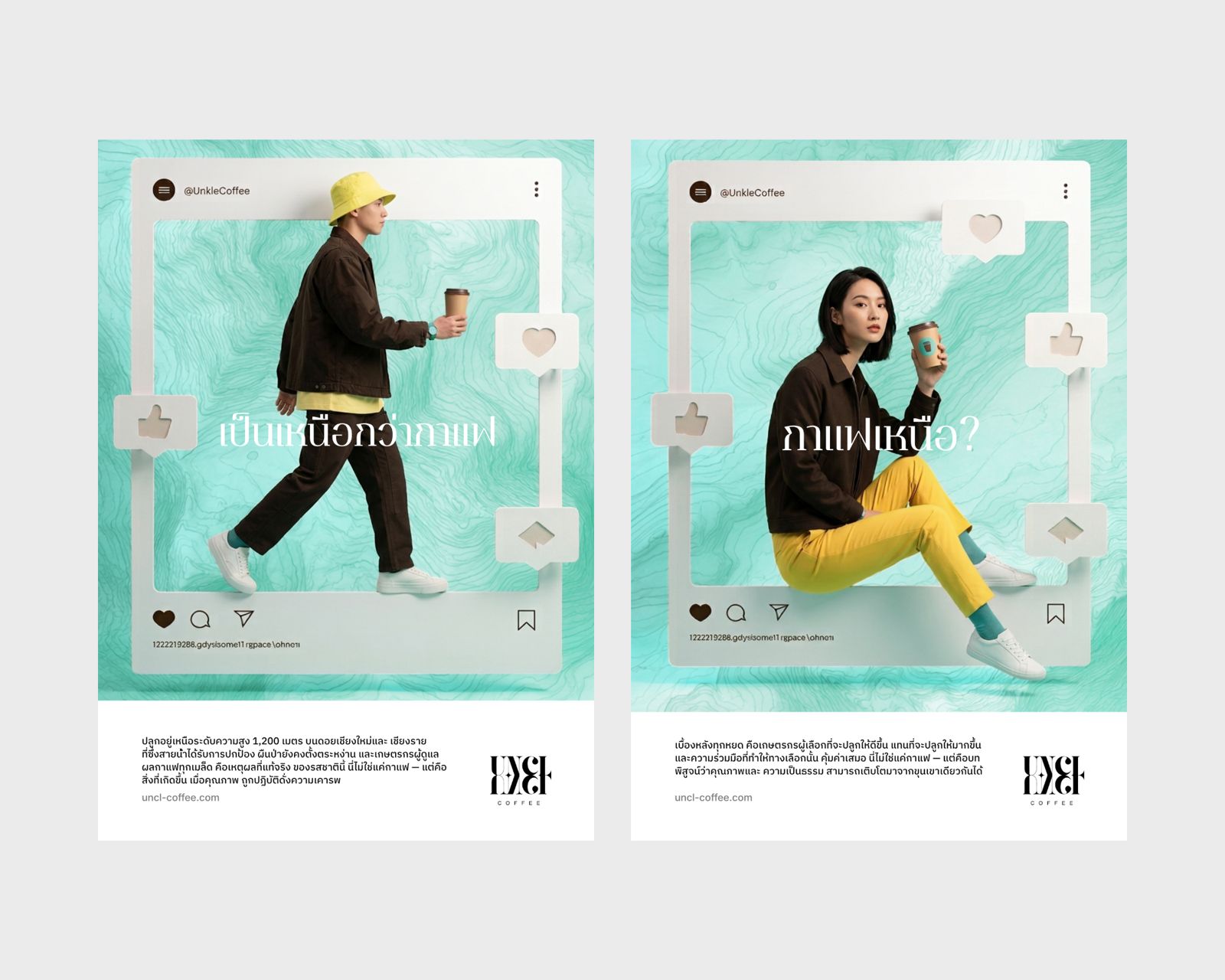
Uncle, without the age.
The brand began as Uncle. Warm, familiar — and, in Thai especially, quietly ageing. “Uncle” reads as an older man, a generation behind the people this coffee was made for. The sound was right; the spelling was holding it back.
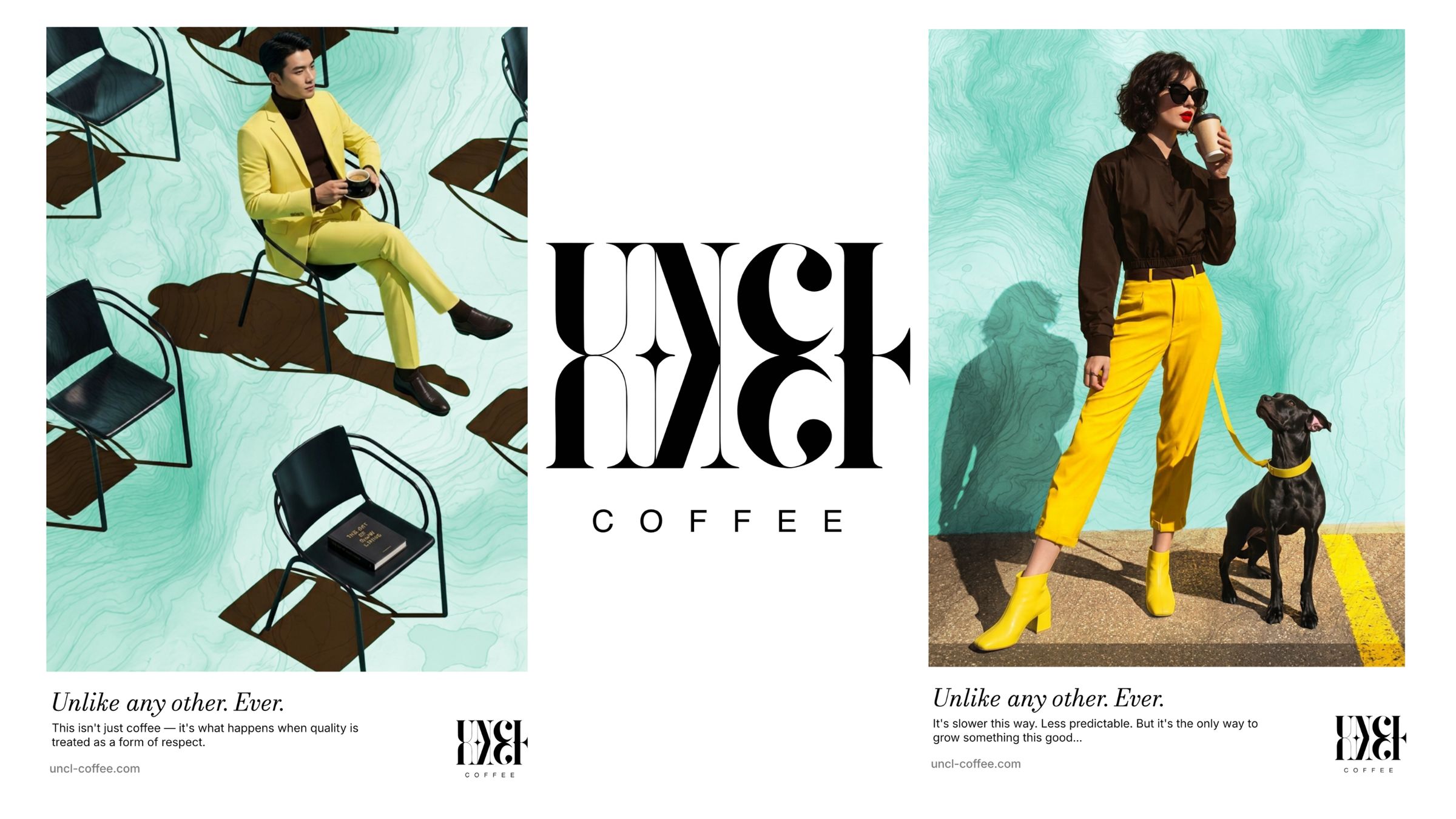
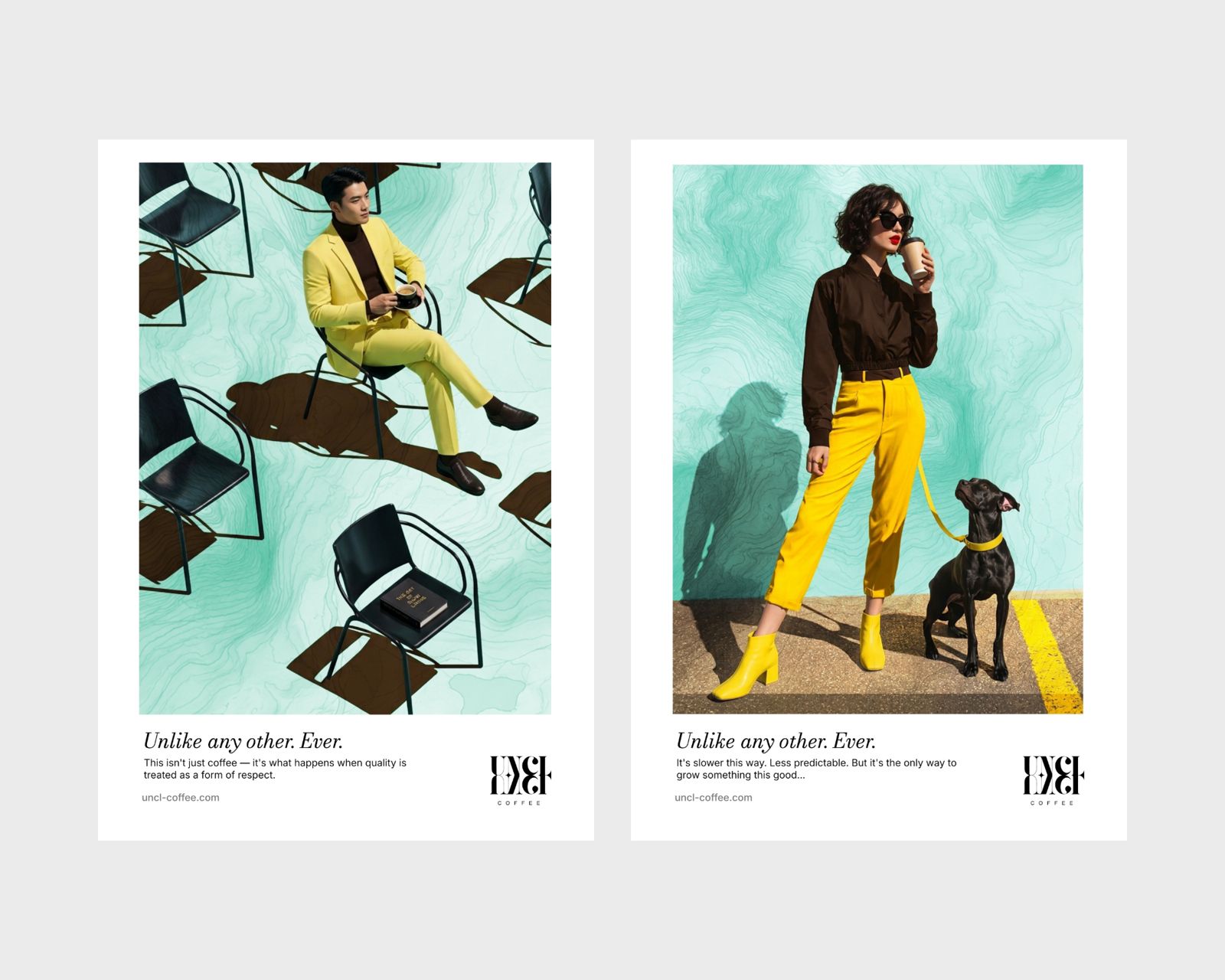
So I kept the sound and rebuilt the word. Two directions, one syllable each: Unkle and UNCL. Both trade the tired spelling of “uncle” for a wordmark that looks as deliberate as the coffee behind it — the same warmth on the tongue, none of the age on the page.
UNCL is the one that carried through: four letters, unmistakably a brand. The posters here are the Unkle route — the same idea, a step along the way to the final mark.
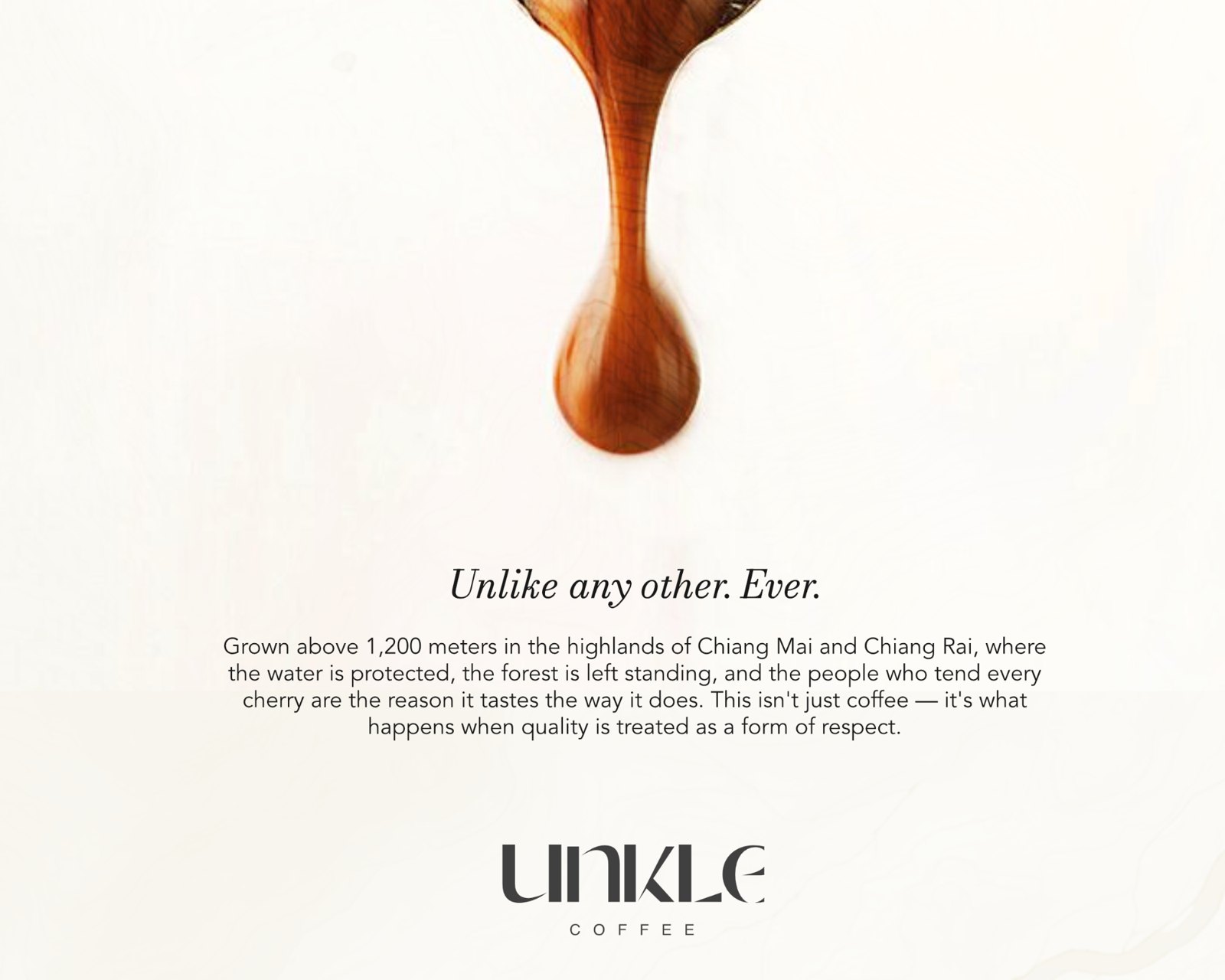
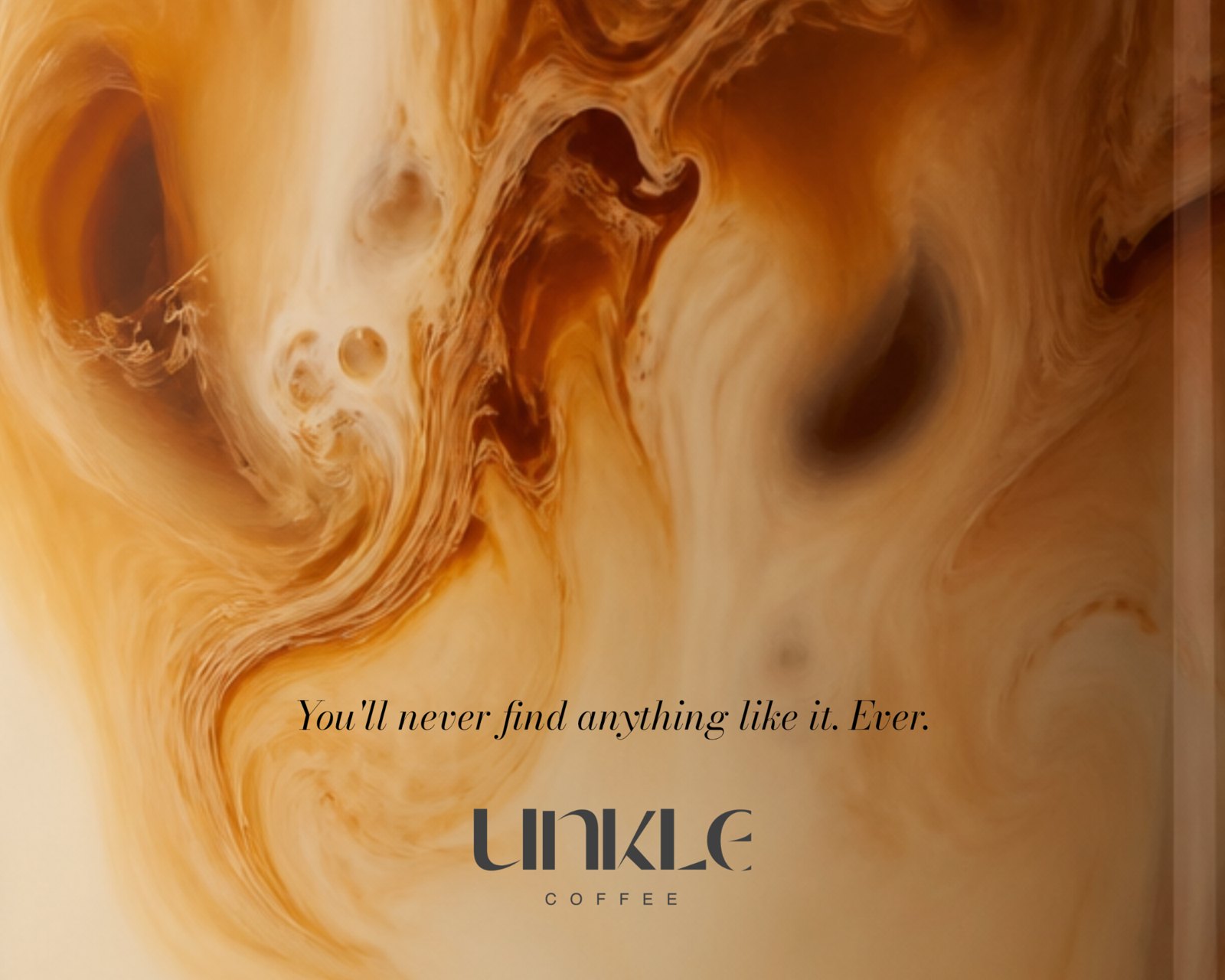
The land, drawn in.
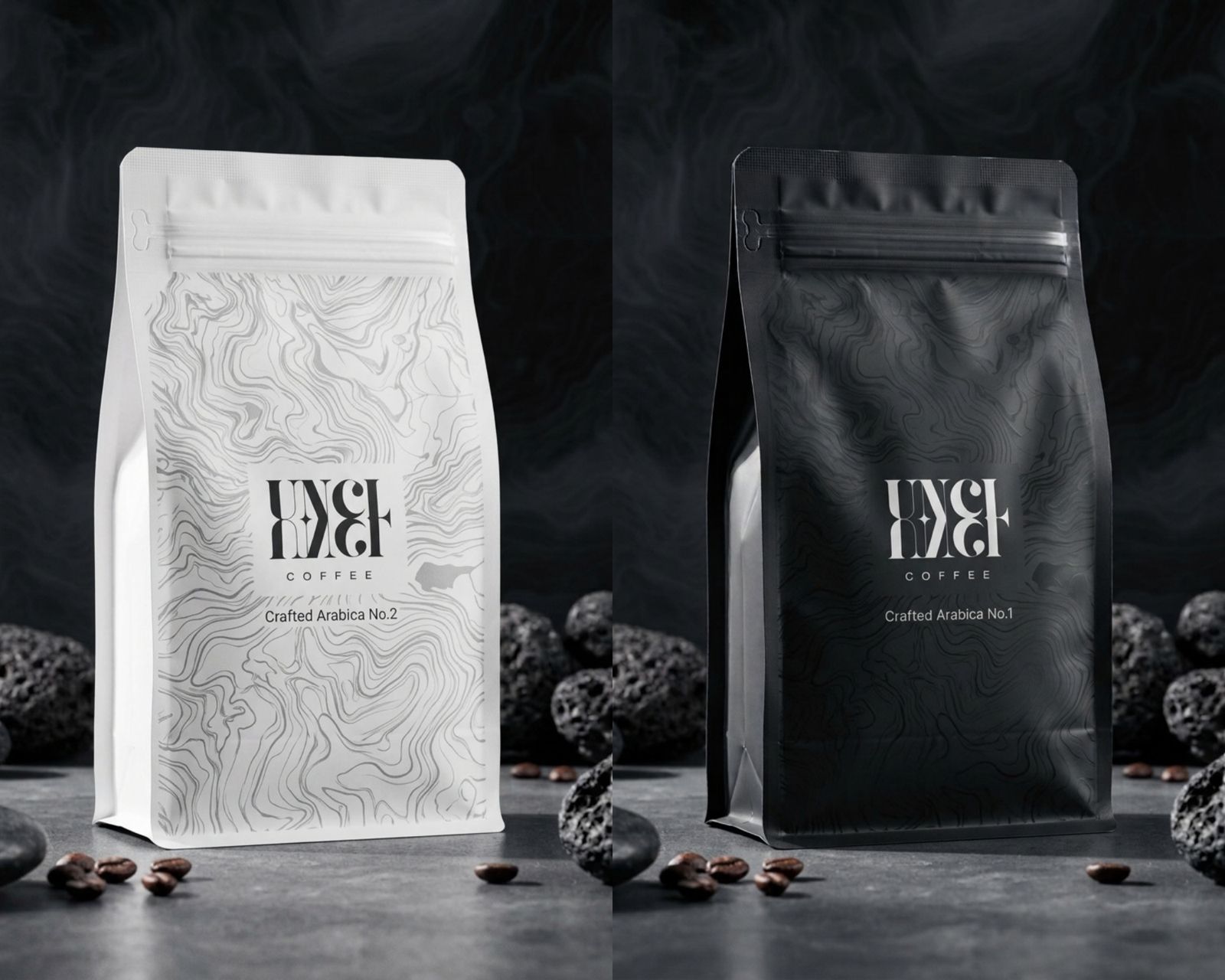
Some things about a place resist description. So rather than describe the land, I drew it. The brand’s graphic device is the terrain itself — contour maps of the two plantations, high in the hills of Chiang Mai and Chiang Rai.
Those topographic lines thread through the whole identity, a quiet watermark of origin. They make the promise visible: shade-grown, single-origin coffee, mapped to the exact ground it came from.
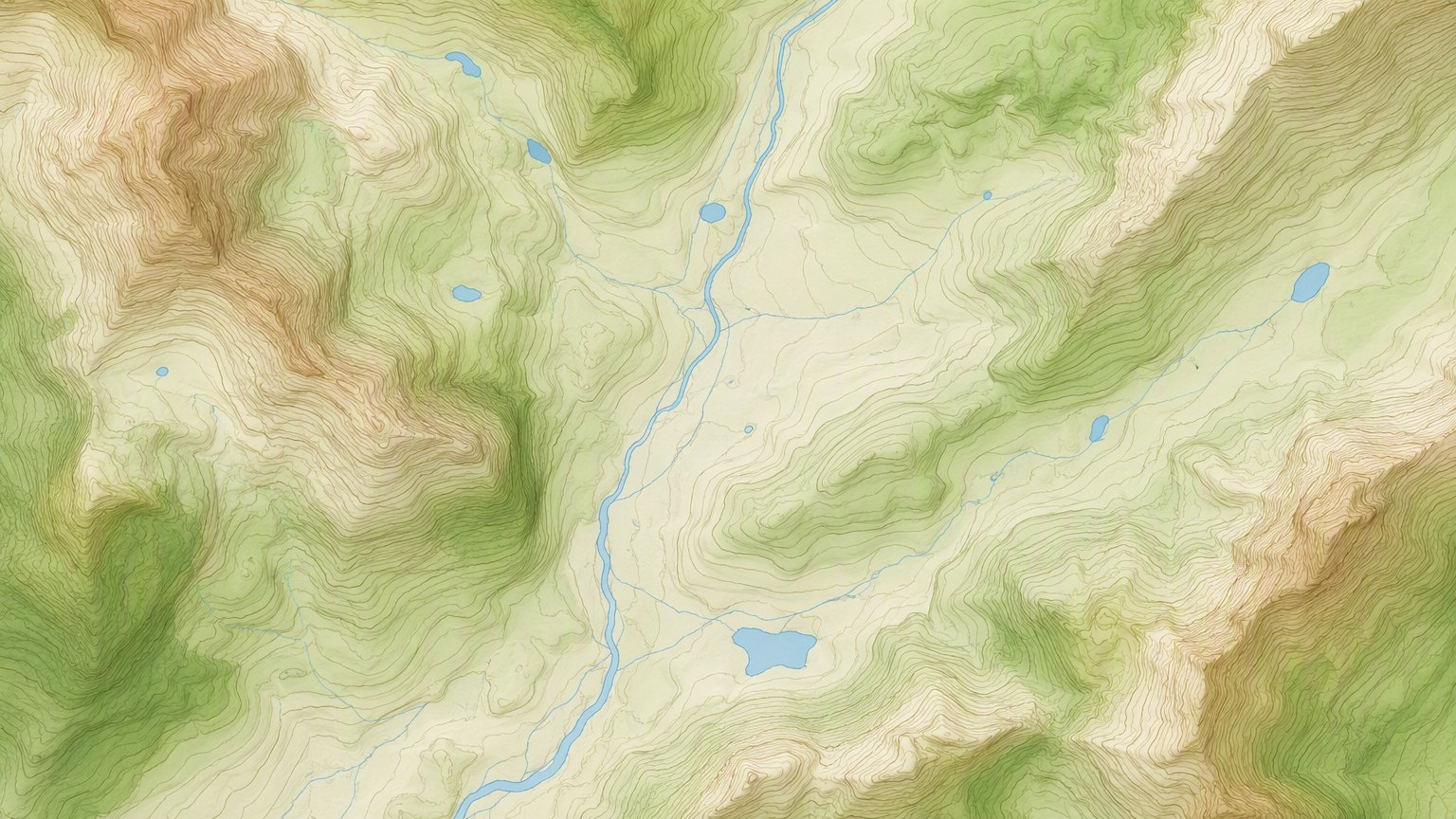
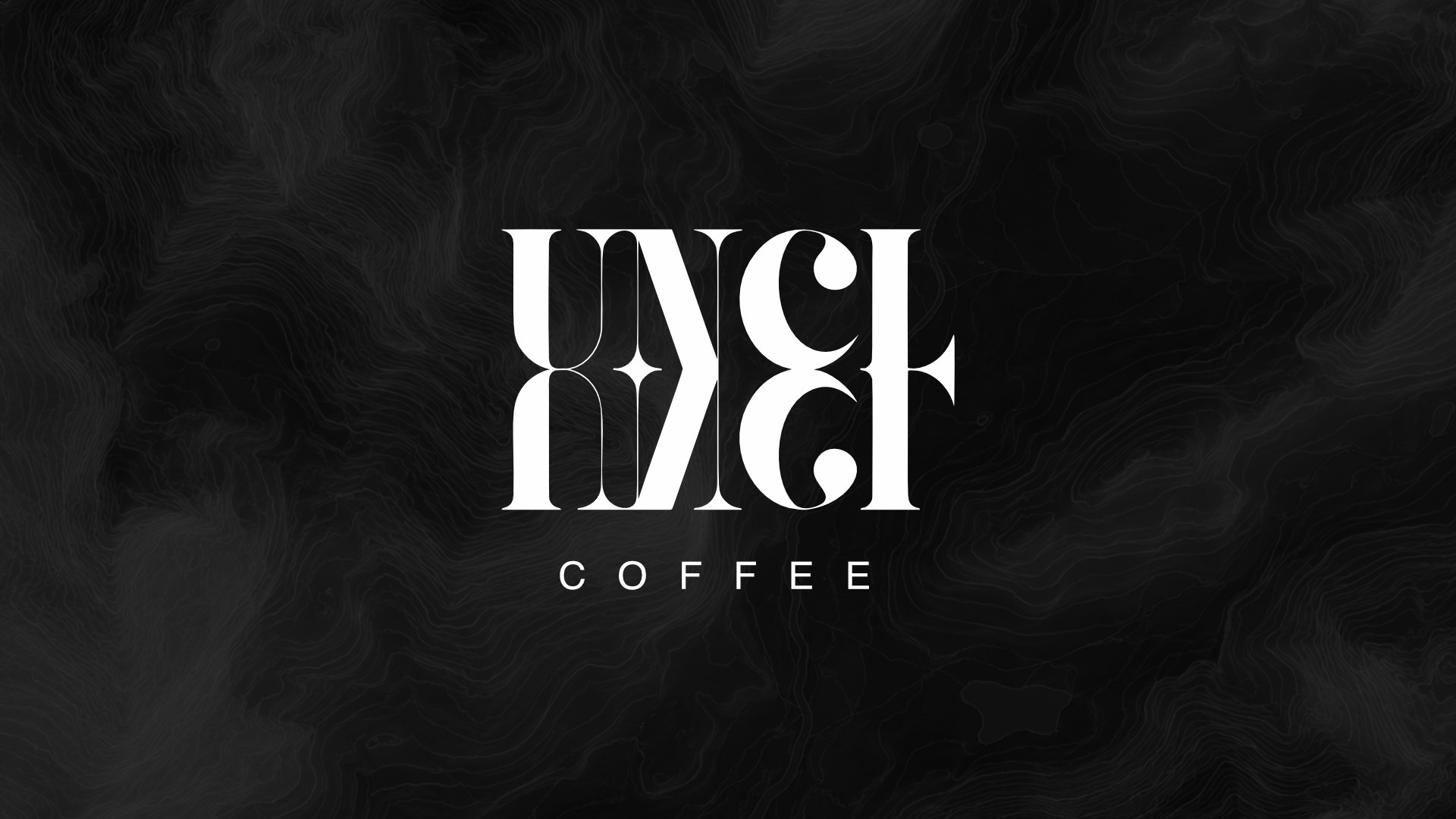
The images on this page are work-in-progress and concept visuals, shared to show the process — not the final or live results.
Research that kept correcting itself.
I started where competitive strategy usually starts, mapping the café landscape, Blue Bottle included. The client pushed back early: they're a producer, not a café. So I rebuilt the competitive set around origin brands instead of retail experience.
Their own materials reframed things again: a real founder story and a real watershed forest that no generic origin narrative could capture. Then came the harder numbers. Verified shelf prices at Tops and Gourmet Market, Doi Chaang's actual retail price, and global data on how little a shade-grown label earns on its own. It's the story that earns the price, not the certification.
That research became a full market and brand strategy deck, then brand guidelines: logo direction, colour system, voice and tone, and channel-specific applications. All of it built to carry one consistent story across a retail bag, a wholesale spec sheet and an export document alike.
- Market research
- Competitive strategy
- Positioning
- Brand guidelines
- Voice & tone
- Packaging